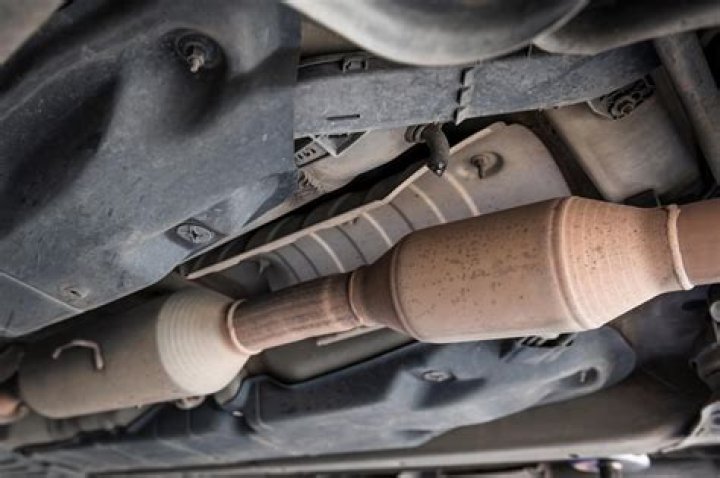
These are also called heater plugs or glow tubes. You can find them at the head of the engine's cylinder. The number of glow tubes that a diesel car has also depends on the number of cylinders in its engine. For every cylinder, there's a glow plug on the top portion.
What do cars use instead of spark plugs?
Your car's engine now uses fuel-injection to get gas to each cylinder. The distributor has been replaced with a computer that sends a spark on time, every time. You may have also heard stories about 100,000-mile spark plugs.
Do cars still need spark plugs?
At the same time regular parts that wear out over time — like spark plugs and condensers — are replaced. But the engines in many newer-model cars don't even use these components any longer, and today's engine parts are designed to last much longer than those in years past.
Do modern engines have spark plugs?
Modern gas-powered engines still come with spark plugs to initiate ignition of the air-fuel mixture in the cylinder. They are responsible for providing the energy that these vehicles need to get the engines to start and propel them forward on the road.
Can you replace spark plugs yourself?
Changing spark plugs takes about an hour (for a four-cylinder engine) and will save you at least a hundred bucks in labor if you do it yourself. In most cases it's a simple job that will help to maintain peak performance and the highest possible gas mileage.
27 related questions foundDo gas cars need spark plugs?
A spark plug is an essential part of your ignition, as your gasoline car won't start without it. Basically, it's an electrical component that can be found in your engine's cylinder head where it receives a high-voltage charge from the connected ignition coil.
Are tune ups necessary for cars?
Whether you have a car with an older ignition system or a new one, it's necessary to have a tune-up done when your vehicle's owner manual requires it. If you don't, you run the risk of having your vehicle run poorly. A properly tuned vehicle will run smoothly and perhaps even see better fuel economy.
Do cars still need a tune-up?
That's because cars built in the past 10 to 15 years don't really require a tune-up anymore. The term used to refer to periodic adjustments of under-hood components, such as the distributor, ignition points, and carburetor, and the regular replacement of wear items, including the spark plugs and condenser.
Do modern cars have coils?
Most modern cars have one ignition coil per cylinder. Typically, the coil is installed right over the spark plug, like in this Ford engine in the photo. This setup is called coil-on-plug. In some cars, ignition coils for all cylinders are combined into one coil pack.
Do cars still have carburetors?
Most car manufacturers stopped using carburetors in the late 1980's because newer technology was coming out, such as the fuel injector, that proved to be more efficient. There were only a few cars that continued to have carburetors, such as the Subaru Justy, until about the early 1990's.
Do modern cars have spark plug wires?
A: Many newer vehicles do not have spark plug wires; they have “coil-on-plug” (COP) ignition systems. By eliminating the spark plug wires, your vehicle has a more reliable ignition system. The coil-on-plug system eliminates the need for high voltage spark plug wires that can cause ignition problems over time.
How much does it cost to get a tune on your car?
Professional auto tuning can cost anywhere between $200 to $900, depending on the car type and engine. This cost is also generated by accounting for labor and part costs, too. In order to reduce the chances of unwanted auto maintenance, it can help to develop a basic car maintenance schedule.
What does a full tune up include?
Generally, a tune-up consists of checking the engine for parts that need cleaning, fixing, or replacing. Common areas under inspection include filters, spark plugs, belts and hoses, car fluids, rotors, and distributor caps. Many of these only require a visual inspection or a simple test.
Does tune up still work?
As some of you know, TuneUp Media Inc. ceased operations last month.
Do petrol cars have glow plugs?
While petrol engines use spark plugs during ignition, diesel engines use glow plugs to start. The principal role of glow plugs is to heat up the air in a combustion chamber of a diesel engine to allow it to reach the necessary temperature.
Why do diesel cars not have spark plugs?
The higher the ratio, the more air is compressed, and more of the injected fuel is ignited during combustion. The result is a more powerful explosion and better performance. While compression ignition means that diesels don't require spark plugs, they can come fitted with components called glow plugs.
Is a glow plug a spark plug?
Spark plugs and glow plugs are the main ignition source in a combustion engine, but what is the main difference? The answer to this is the type of engine they're found in, as spark plugs are only found in gasoline engines while glow plugs are found in diesel ones.
What is the main item to be replaced during a tune up?
An air filter is the one item that surely needs to be replaced during a tune-up. The main job of an air filter is to prevent dust and sand from getting inside the engine and damaging cylinder walls.
How often should you tune up your car?
Most older vehicles with non-electronic ignitions should be tuned every 10,000 to 12,000 miles or every year, whichever comes first. Newer cars with electronic ignition and fuel injection systems are scheduled to go from 25,000 miles to as many as 100,000 miles without needing a major tune-up.
How much does a dyno tune cost?
Costs to Tune a Car
Taking your car to a dyno tuning garage is the best way to not only improve performance, boost horsepower, and make the engine run more efficiently. However, initial costs can start at $400 to $700.
Can you tune a car yourself?
Installing a preset car tune, also known as remapping the ECU, is the most effective and easiest tune an owner can do themselves.
How much HP does tuning add?
How Much Faster Does A Tune Make Your Car? The average car can expect to gain between 10% and 25% more horsepower from a tune than from stock, while naturally aspirated cars can expect to gain between 5% and 15% more power from a tune alone.
How much is a ECU?
ECU repairs can be very expensive. The part alone can cost between $1,000 and $3,000, depending on the make and model of your vehicle. Fortunately, an ECU can be repaired or reprogrammed in many cases—thus preventing the need to actually replace an ECU.
Why is a tune up necessary?
Answer: If regular maintenance and inspection isn't performed on your engine, your vehicle may not be operating as reliably or efficiently as it should. A well-tuned engine operates at maximum performance levels. During a tune-up, engine parts that affect performance are checked and replaced.
Can old cars use Iridium spark plugs?
Yes, it is.
Also, older vehicles may well be suffering such problems as reduced ignition coil performance. An iridium spark plug with low required voltage uses the energy of the coil effectively for efficient combustion of the air-fuel mixture.